The Wellness Conversation
Regulation over Performance
I’ve been noticing a quiet pattern emerge.
The people who feel the calmest, look the clearest, and move through life with a grounded ease are no longer chasing wellness trends. They are choosing environments and practices that gently reshape how their body responds to stress, movement, and the rhythms of everyday life.
This shift isn’t loud, but a subtle transition in how we absorb and define wellness. It’s less about following prescribed routines and more about individual embodiment. Wellness becomes personal, intuitive, and responsive, shaped by how the body feels rather than how it looks. It lives in the environments we choose, the pace we keep, and the way we learn to listen instead of push.
1. Infrared heated movement spaces replacing traditional workouts
Infrared is no longer being used to make workouts more intense. It is being used to make them more intelligent. Pilates, sculpt, strength and mobility classes inside infrared rooms allow the body to warm connective tissue, stimulate lymphatic flow, reduce inflammation and recover more efficiently while training. The outcome is not just sweat, but lighter bodies, clearer skin, calmer nervous systems and movement that feels restorative rather than draining.
2. Recovery studios becoming social spaces rather than solo rituals
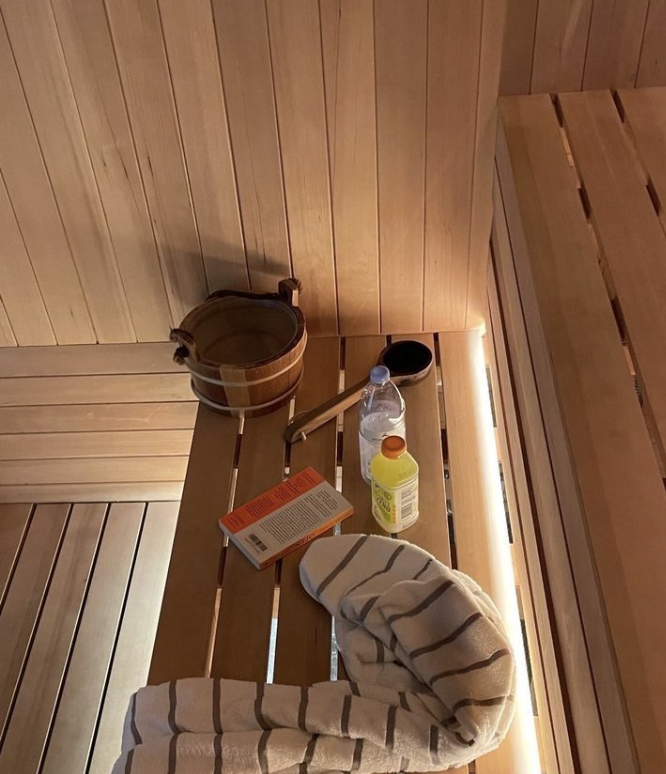
Sauna, cold plunges, red light, breathwork and stillness are being combined into thoughtfully designed recovery environments where people meet instead of cafés. Regulating the nervous system alongside others, without mirrors or phones, creates a different kind of connection. Presence replaces performance. Wellness shifts from individual self care into something shared and deeply biological.
3. Red and near infrared light becoming part of daily hygiene
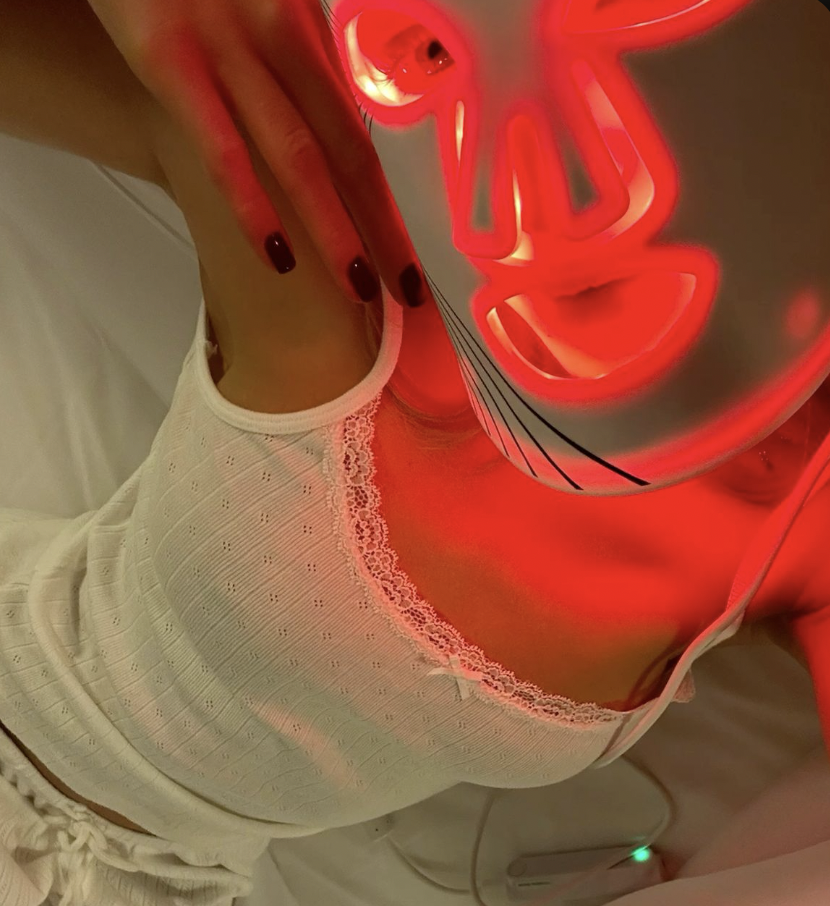
What once felt niche or experimental is becoming as normal as skincare or supplements. Full body panels, beds and targeted light therapies are being used consistently to support skin health, hormonal balance, muscle recovery, mitochondrial function and inflammation regulation. The glow people are moving toward in 2026 is cellular, steady and cumulative.
4. Wearables evolving from fitness trackers into regulation tools
The next wave of wearables is less about performance and aesthetics and more about awareness. Real time data is being used to understand stress load, sleep schedule, recovery capacity and hormonal cycles. People are adjusting their training, workdays and social plans based on how their body is responding rather than following rigid routines. Wellness becomes responsive instead of prescriptive, with intuition supported by data rather than overridden by it.
5. Lymphatic health emerging as the missing link in looking and feeling well
Pressotherapy, manual drainage, rebounding, walking and gentle movement are gaining attention as people connect stagnant lymph with bloating, puffiness, fatigue, dull skin and a sense of heaviness. This isn’t about detoxing, instead it’s about restoring your body’s natural flow. Once people feel the difference, it becomes clear that no amount of skincare or supplementation can replace proper circulation.